
What Is Flame Retardant Fabric?
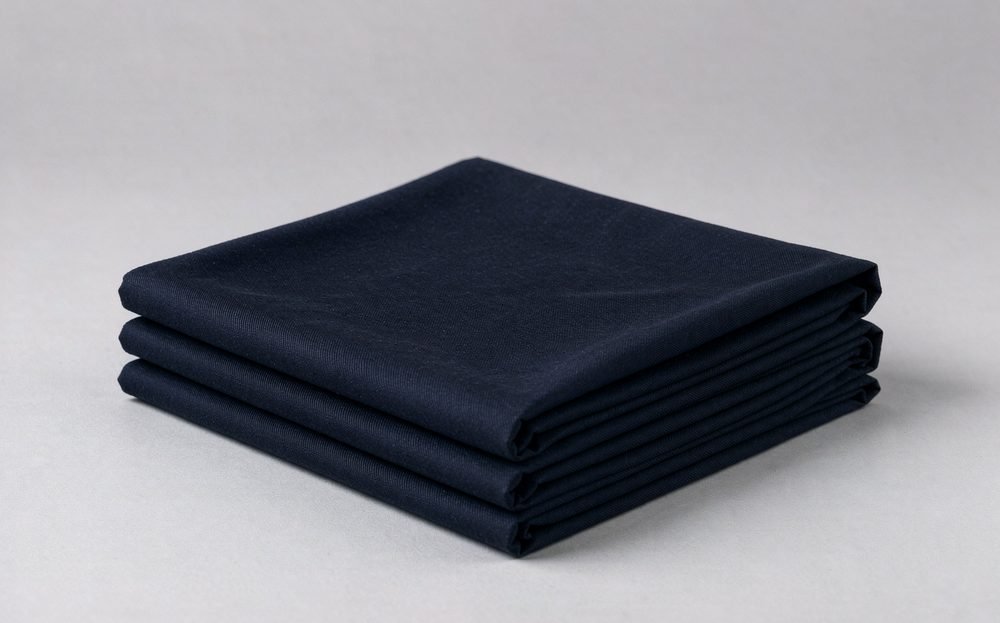
Flame retardant fabric is a textile that resists ignition and stops burning once the flame source is removed. It is used in workwear for industries where flash fire, sparks or molten metal are part of the working environment — oil and gas, welding, electrical utilities and chemical plants among them.
One point worth stating clearly: flame retardant is not fireproof. Any fabric will eventually break down under enough heat. What FR fabric does is limit flame spread, self-extinguish, and — critically — not melt or drip onto the skin. That gives the wearer time to move away from the hazard.
How FR fabric is made
There are two main routes:
- Treated FR — a conventional fabric such as 100% cotton, CVC or cotton/nylon is finished with a flame retardant chemistry (for example THPC or CP processes). The treatment reacts with or is cured into the fibre. Hand feel stays cotton-like and cost is moderate, but the finish's durability depends on correct laundering.
- Inherent FR — the flame resistance comes from the fibre itself (aramid, modacrylic, FR viscose). It cannot wash out, which suits garments with a long service life, at a higher fabric cost.
What buyers should check
- Which standard applies — e.g. EN ISO 11612 in Europe or NFPA 2112 in the US. The standard determines the required tests, not the other way around.
- Weight and construction — heavier twills around 240–320 GSM cover most general industrial needs; lighter fabrics for shirts, heavier for welding.
- Wash durability — how many industrial laundering cycles the finish or fibre is rated for.
- Who certifies — fabric-level test data supports selection, but certification normally applies to the finished garment.
For a longer treatment of this topic — including test codes and a selection checklist — see our main guide: Understanding Flame Retardant Fabrics.